
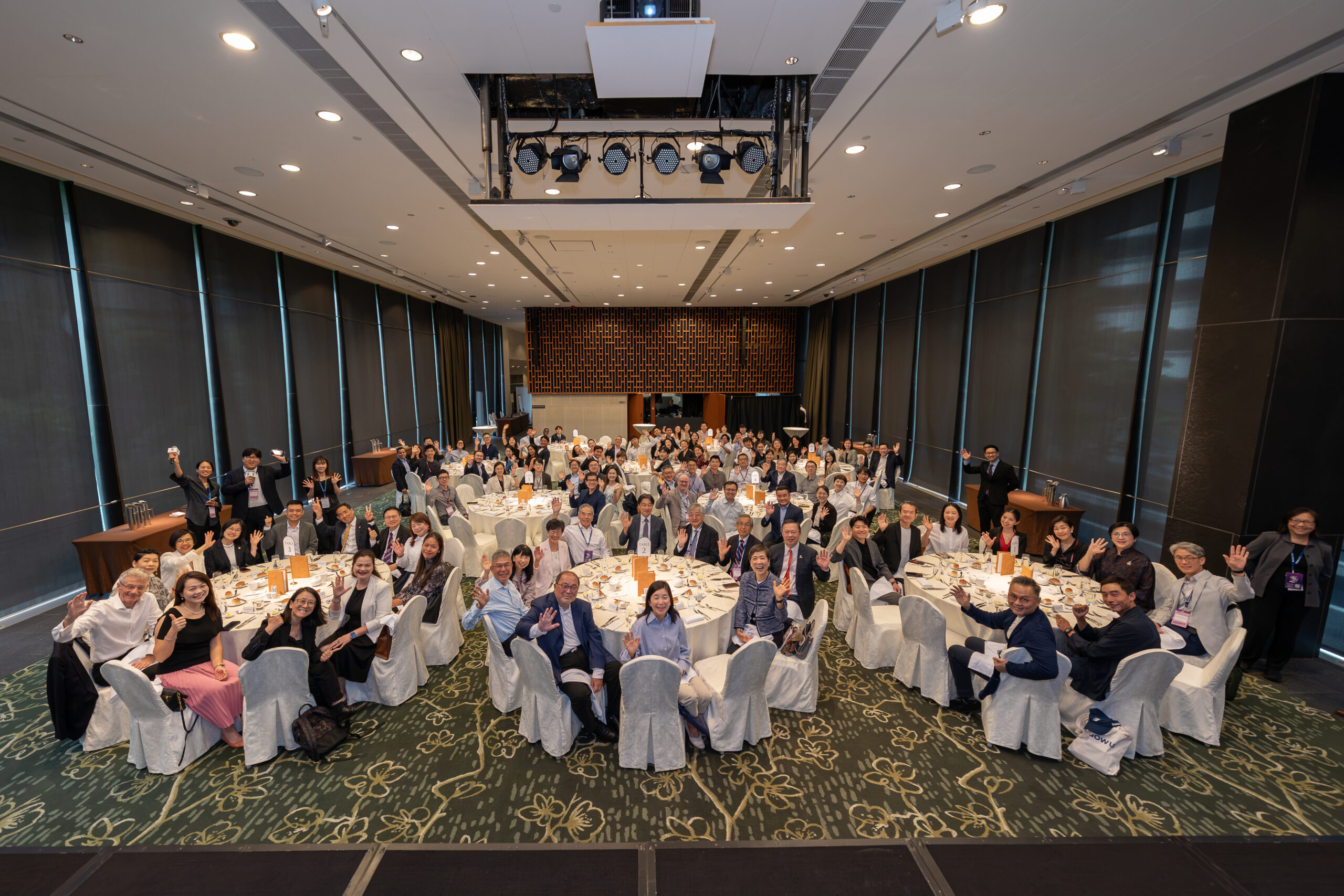
BXAI Hosts Luncheon with Panel Discussion on “Retention vs. Migration: The Talent Challenge in Asia”
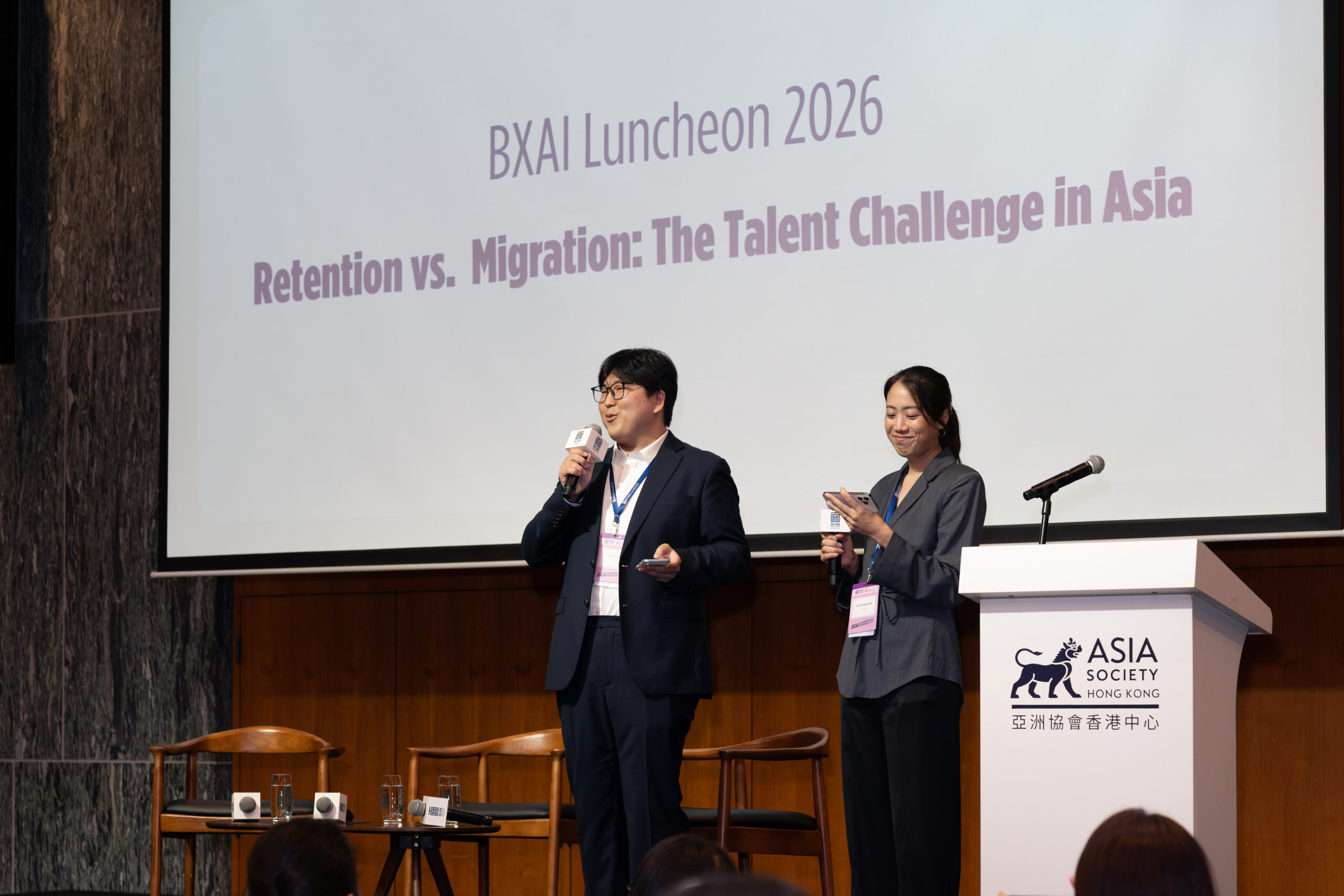
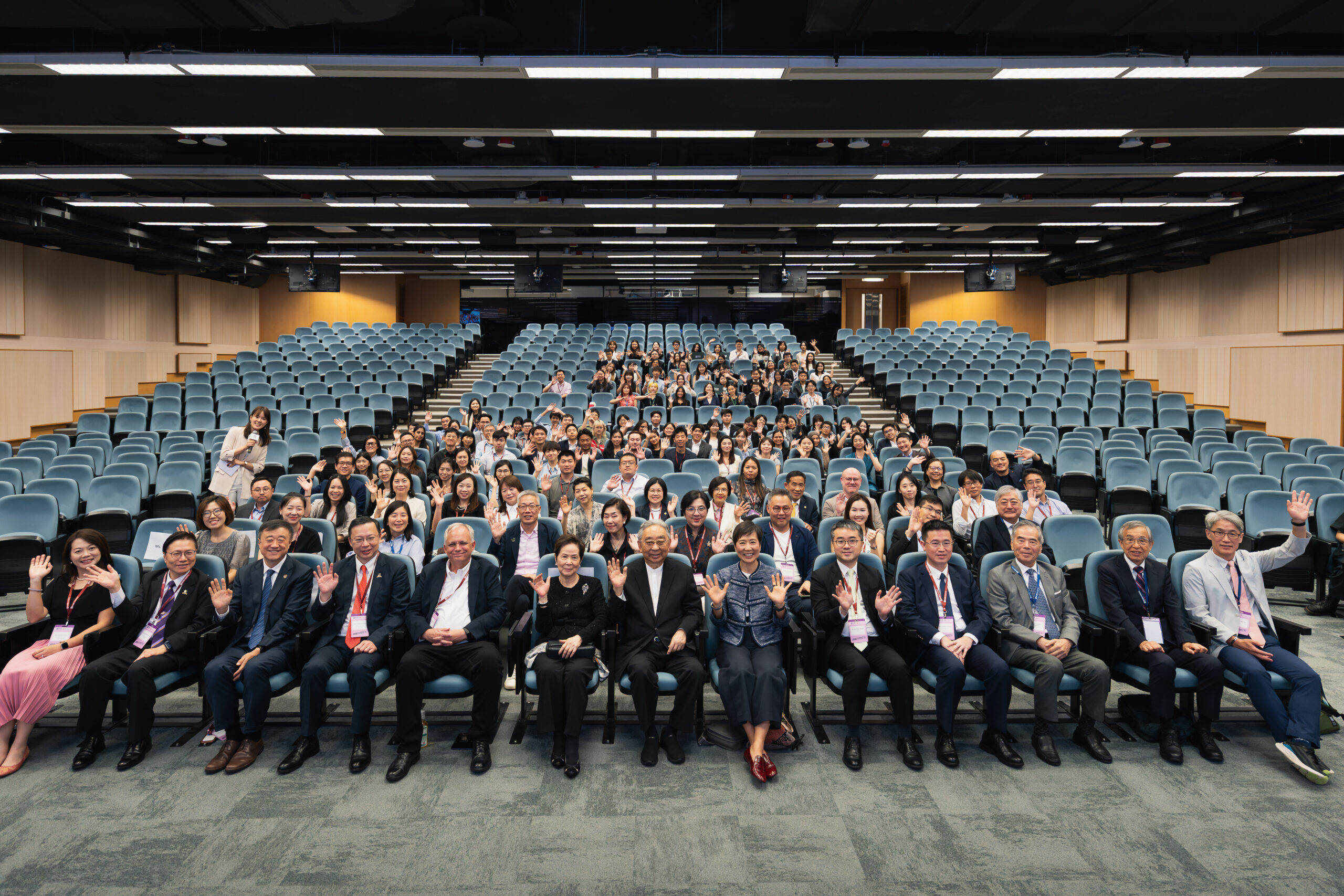
On August 18, 2026, Bai Xian Asia Institute (BXAI) hosted a special luncheon at the Asia Society Hong Kong Center. Bringing together friends, partners, and alumni from across the Bai Xian community, the event provided a vibrant platform for intergenerational dialogue, networking, and insightful exchanges centered on the theme, “Retention vs. Migration: The Talent Challenge in Asia.”
In Conversation: Insights from CASETiFY Leadership
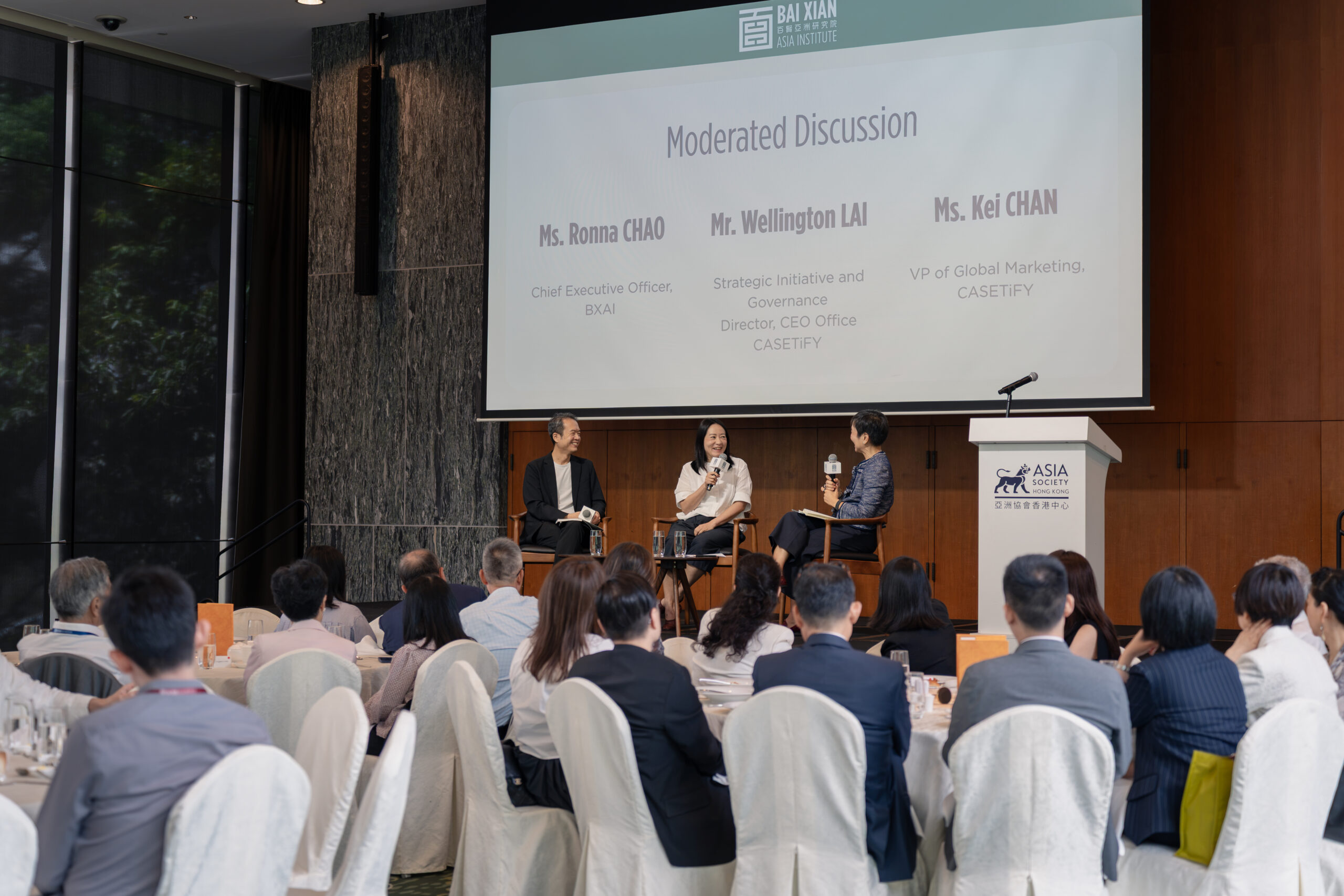
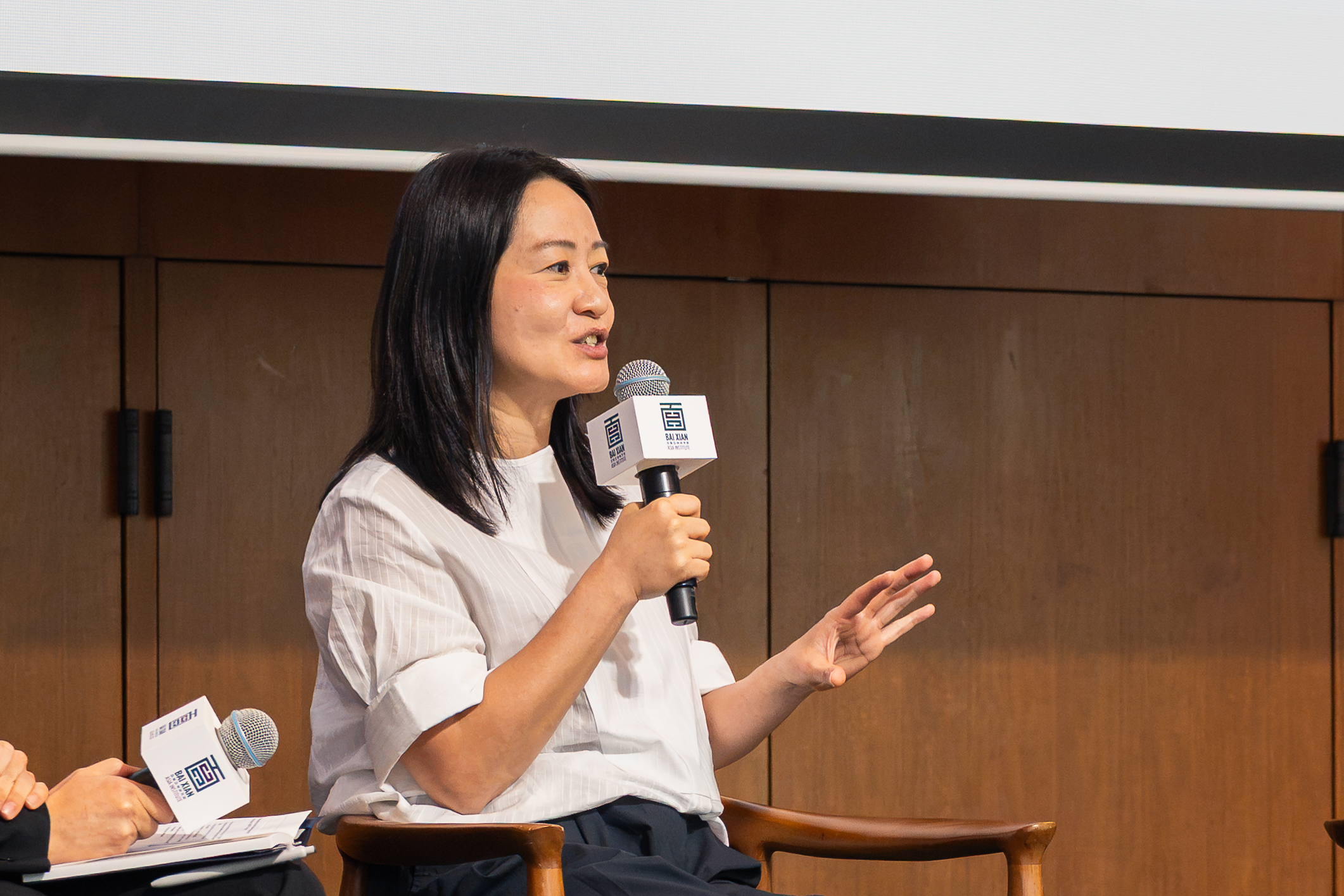
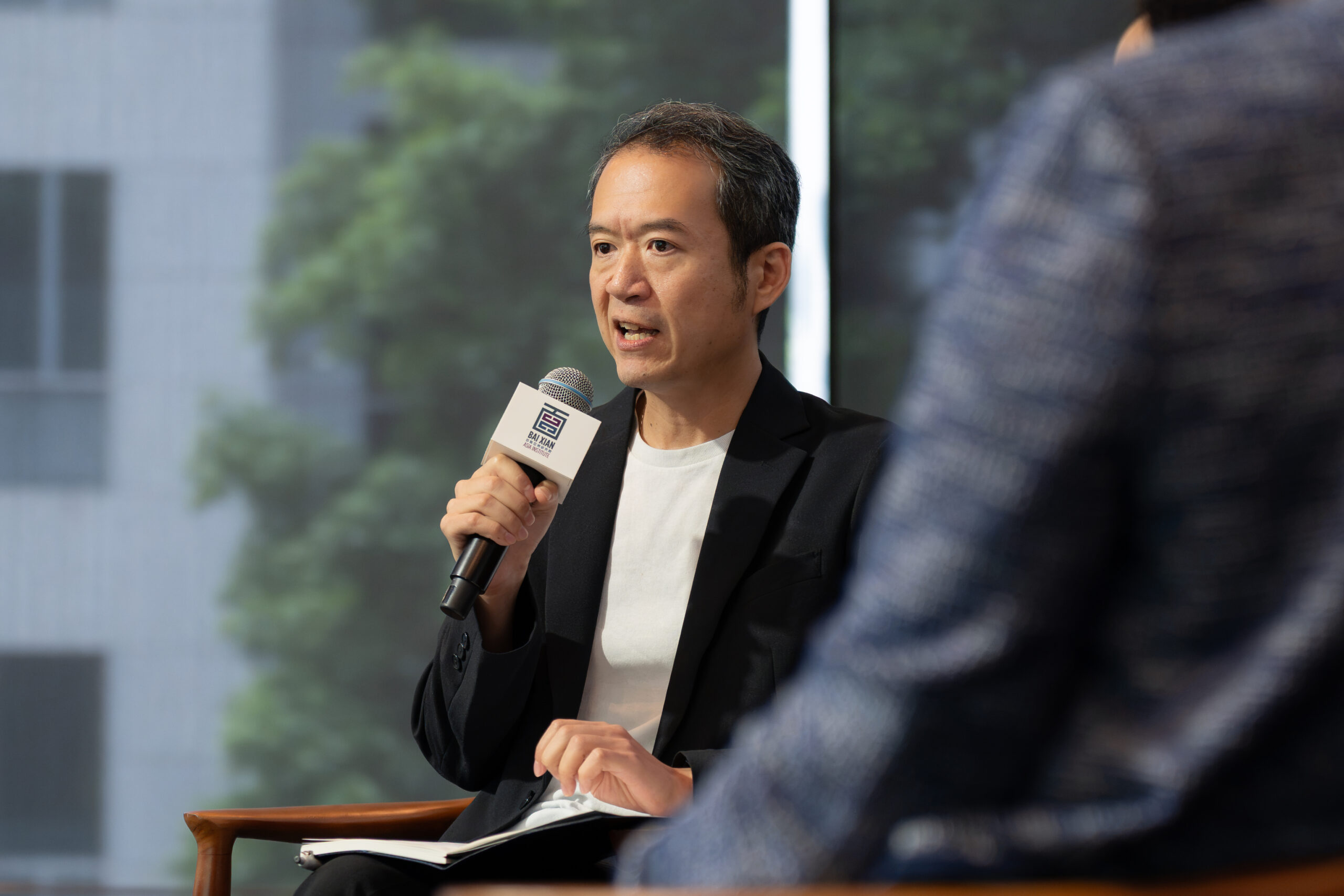
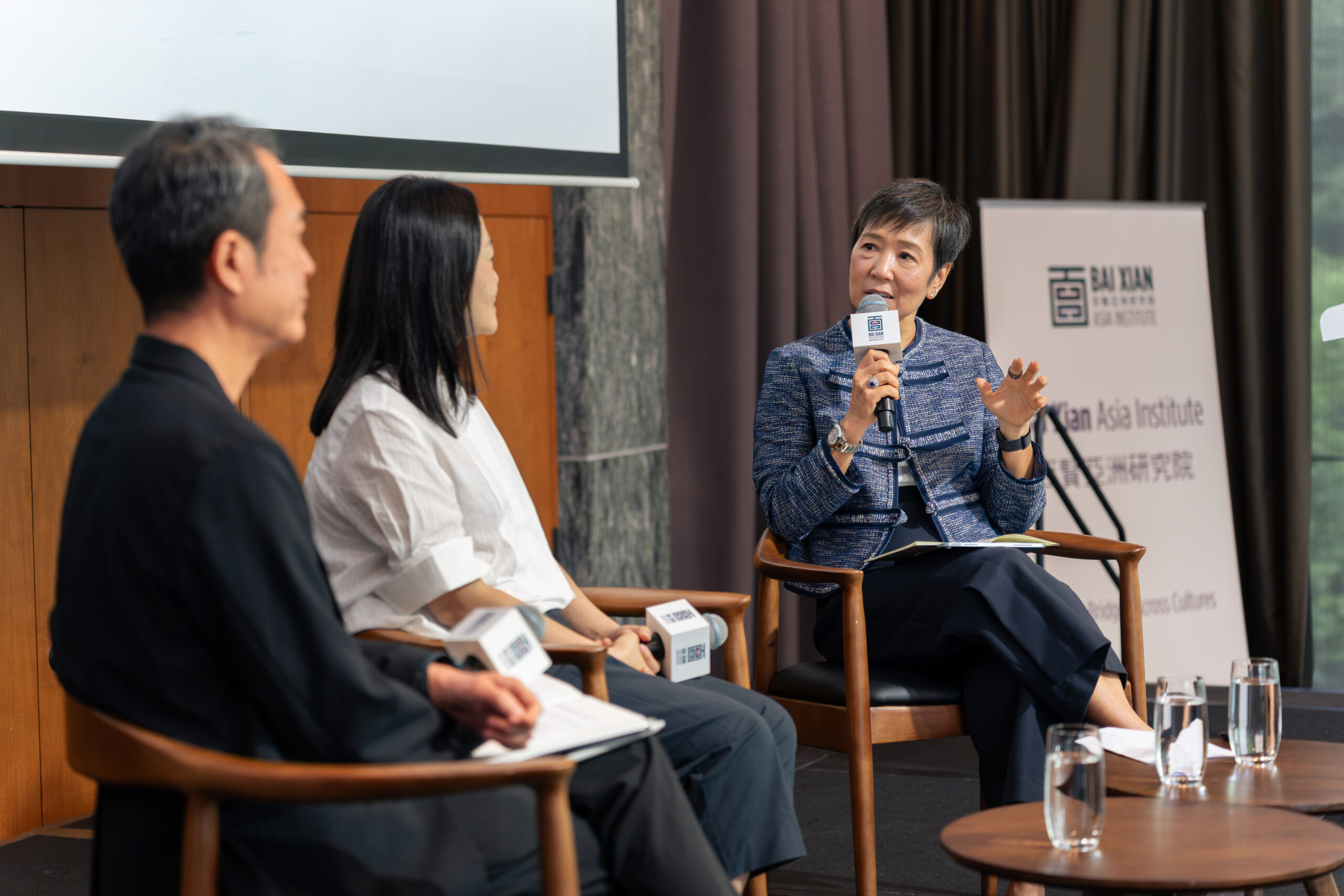
Following the video presentation, attendees enjoyed an enlightening panel discussion moderated by Ms. Ronna Chao, CEO of BXAI. Joining her on stage were senior leaders from global tech accessory brand, CASETiFY: Ms. Kei Chan, Vice President of Global Marketing, and Mr. Wellington Lai, Director of Strategic Initiatives and Governance at the CEO Office.
The panel explored organizational culture, talent mobility and development, and navigating modern career trends across Asia. Speaking on core attributes in talent, Ms. Chan highlighted judgement, accountability, and adaptability as essential qualities for global teams. To retain and effectively develop talent within the company, Mr. Lai shared CASETiFY’s philosophy of prioritizing depth over breadth. “We give the right scope, the right ownership, and the decision rights to them at the appropriate stage,” he explained. “Sometimes it’s tempting to add more responsibilities to those who seem capable, but it may not be the right time because they are not ready. At CASETiFY, we start by helping them build credibility and experience before adding more responsibility.”
Turning to evolving workplace expectations among Gen Z, the speakers noted that younger talent prioritize continuous learning, agency, and impact over predictability or compensation alone. “Gen Z is not really looking into money, but instead, they may think, ‘Am I learning, trusted, and doing something meaningful? Do I see myself becoming more capable here?’” reflected Mr. Lai. Finally, panelists discussed how AI is reshaping hiring processes.
To navigate AI-filtered recruitment, Ms. Chan advised fresh graduates to look beyond standard job boards and actively leverage networking, campus outreach, and mentorship to build authentic professional connections. “My tip for the younger people is to really try to network,” she said. “Get to know your parents’ friends, participate in programs, and find mentors who are willing to share their experiences and help you. Being proactive, showing up, and demonstrating a willingness to learn goes a long way.”
The panel concluded with an engaging Q&A session, with audience members posing questions on topics such as accountability and integrity in the AI era, managing cultural differences and retention, and the importance of having relevant academic degrees when it comes to recruitment.
BXAI extends its gratitude to Ms. Kei Chan and Mr. Wellington Lai for generously sharing their time, expertise, and wisdom with the Bai Xian community, as well as to Asia Society Hong Kong Center for their support in hosting this meaningful gathering. We look forward to more opportunities for dialogue, continuous learning, and cross-cultural exchange in the near future!
Reflecting on Intercultural Journeys
Setting an inspiring tone for the afternoon, a short video served as a prelude to the panel discussion, featuring Bai Xian Scholars who shared about their personal journeys of living and working abroad. Through stories of the unique opportunities and challenges these scholars encountered along the way, the audience was invited to consider the various factors driving today’s new generation of professionals, and the organizational cultures businesses should cultivate to retain young talent.

BXAI and CUHK Empower Asia's Future Leaders to Embrace New Challenges
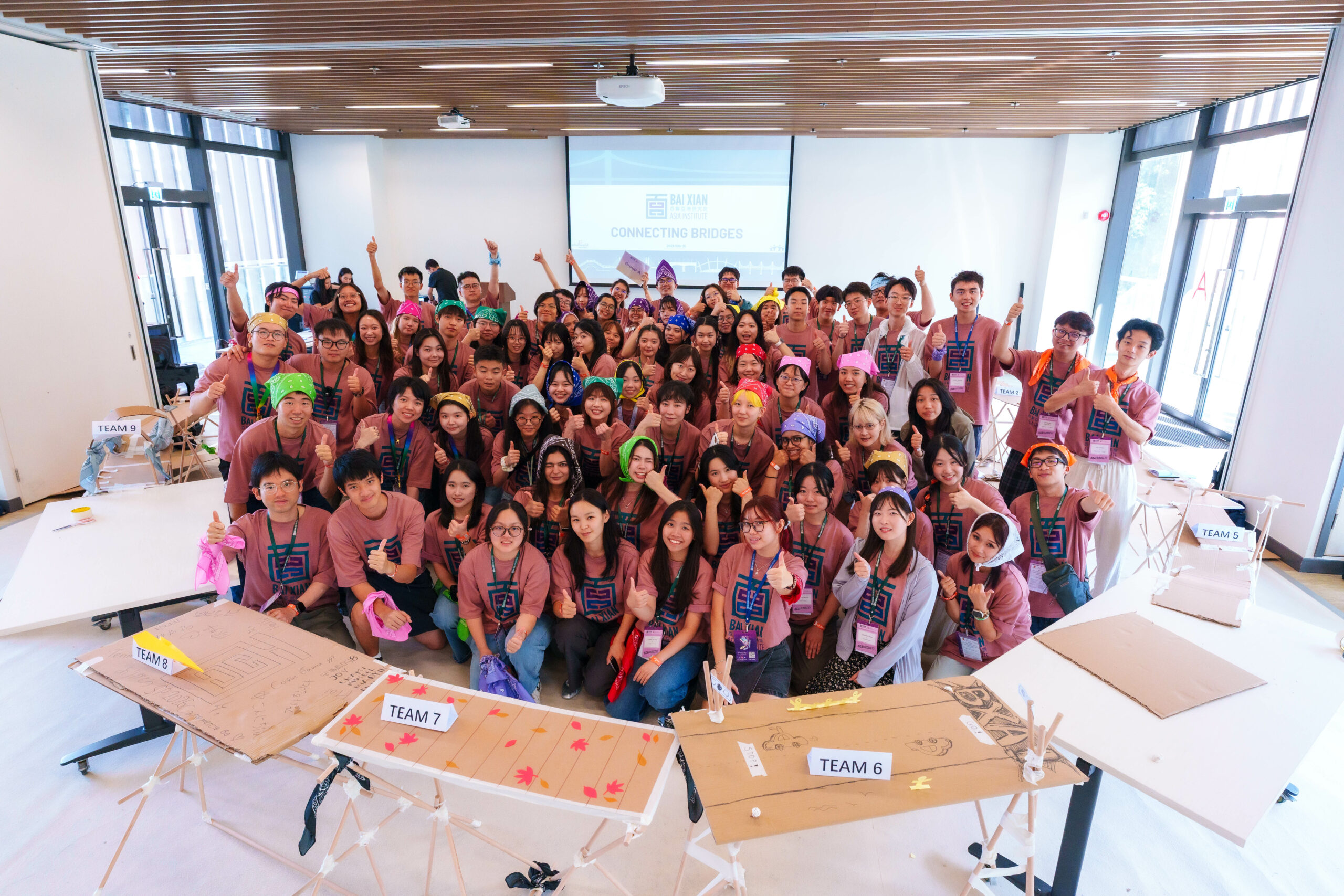
(Hong Kong, September 22, 2026) Hosted in partnership with The Chinese University of Hong Kong (CUHK), the BXAI Summer Program 2026 was held from August 3 to 18, bringing together 69 Bai Xian Scholars from across Asia. The immersive two-week experience kicked off with a prelude excursion to Shenzhen before continuing in Hong Kong.
Centering on the theme, “Humanity in the Digital Age,” this year’s program invited scholars to explore the intersection of technology and human values through academic sessions, interdisciplinary dialogue, and real-world case studies. Beyond academics, the Summer Program also included a wide range of experiential learning opportunities such as excursions, team building activities, personal development workshops, and student-led presentations – all designed to strengthen essential soft skills in communication, collaboration, and leadership.
Kickstarting the Cross-Cultural Learning Journey
The Summer Program began with a prelude excursion to Shenzhen, a dynamic hub in the Greater Bay Area located just across the border from Hong Kong. Scholars explored the city’s diverse landscape through three themed routes: (1) nature and ecology at Futian Mangrove Ecological Park alongside the high-tech energy of bustling Huaqiangbei; (2) history and art at Nantou Walled Town and Dafen Oil Painting Village; and (3) modern city architecture at Ping An Finance Center and the Sea World Culture and Arts Center.
Welcoming the 2025 Cohort
The program officially commenced on August 5 with an orientation, welcome lunch, team building activities, and a campus tour. Prof. Ko Wing Hung, Associate Vice-President (Student Experience) and University Dean of Students at CUHK, alongside Prof. Katsuichi Uchida, President of BXAI, welcomed the 2025 cohort of Bai Xian Scholars with opening remarks introducing this year’s theme. Ms. Ronna Chao, CEO of BXAI, encouraged students to remain open-minded and curious while embracing discomfort when encountering new challenges throughout their two-week journey.

Discovering Hong Kong
Each Summer Program includes immersive excursions that introduce scholars to the host city’s history, culture, and contemporary life while creating space for meaningful connections. Following the kickoff, scholars embarked on a three-day exploration of Hong Kong’s cultural tapestry and natural wonders. The itinerary included visits to Victoria Peak, Tai Kwun, Yim Tin Tsai, Sharp Island (part of Hong Kong’s UNESCO Global Geopark), and Xiqu Centre, where scholars took part in the Tea House Theater Experience. On August 12, students toured the Mass Transit Railway (MTR) Light Rail Depot in Tuen Mun, where they engaged with a train simulator and learned about the operations of Hong Kong’s world-class transit system during a light rail ride across the district.
Despite the summer heat and humidity, participants expressed their appreciation for the chance to bond with fellow scholars. “Every day’s activities had something I looked forward to,” reflected one student. “Experiencing this with new friends made me enjoy the Summer Program even more!”
Interdisciplinary Perspectives on AI and the Digital Age
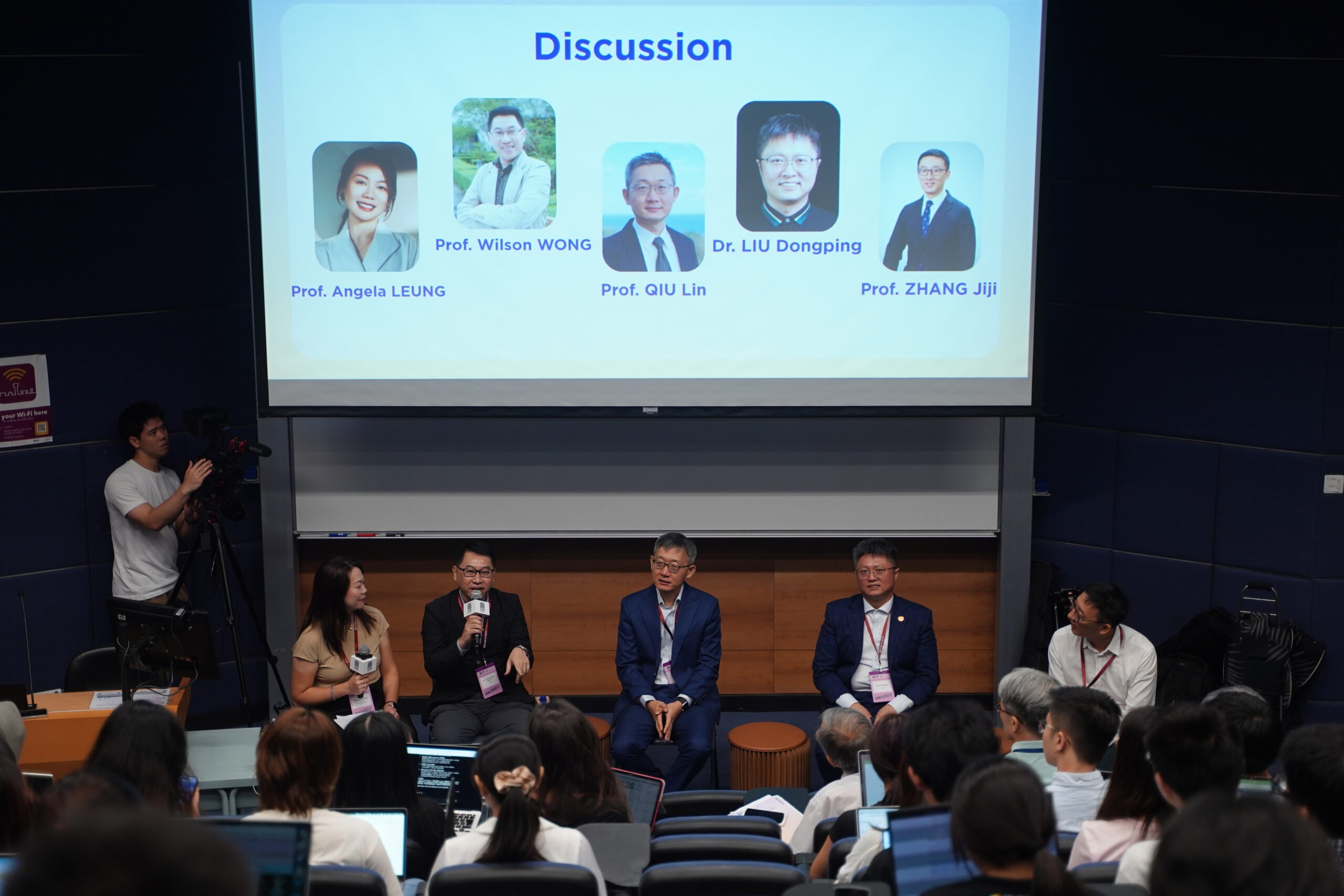
Distinguished CUHK professors and guest speakers led two academic sessions exploring technology, society, and public policy. Scholars examined digital platform research, the impact of AI on social science, and philosophical trade-offs in research. Through discussions on hybrid intelligence, they considered how AI can complement human capabilities, affirming the essential role of empathy and judgment in responsible public governance.
During a panel discussion on “Designing the Future of East Asia,” experts evaluated regional socioeconomic trends and demographic challenges, encouraging scholars to collaborate across borders on future-oriented solutions. Meanwhile, at a seminar titled, “Diplomacy in the Digital Age,” Mr. Kuninori Matsuda (member of the Advisory Council of the DTEK in Ukraine and Advisory Council member of BXAI) emphasized that while digital technology accelerates global communication, future leaders must rely on core human values such as compassion, empathy, and ethical judgment to foster international trust and cooperation.
Skill-Building and Personal Growth
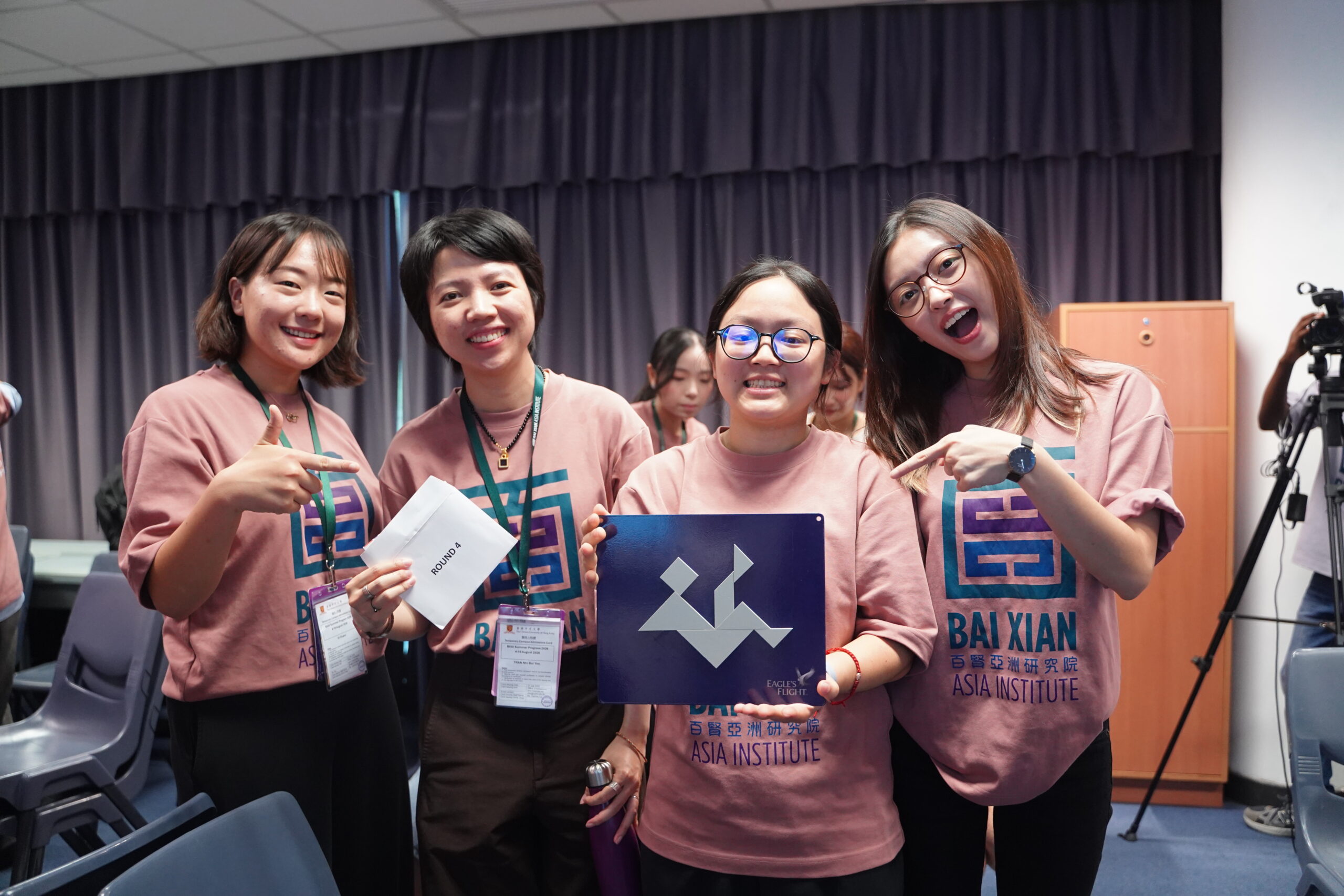
Personal development and self-discovery are also key areas of focus at every Summer Program. Through a series of interactive workshops covering leadership, public speaking, communication, and self-awareness, scholars gain essential skills to navigate their future academic paths and professional endeavors with confidence.
The ever-popular “Conducting Leadership” Workshop used orchestral conducting as a metaphor for leadership in practice. One student reflected, “We had a truly amazing experience understanding leadership from a different perspective.” In an AI-driven era, the “Expressing Your True Self” Workshop helped scholars identify their authentic voices and develop their personal brands on social media, prompting spirited discussions on personality profiles after the session. Additionally, the “Connected Communication” and “Public Speaking” Workshops offered practical training in active listening, strategic communication, and effective presentation delivery.
Community Engagement and Connection
Building community and fostering collaboration remain central pillars of the Summer Program experience. During the alumni evening, students connected with returning scholars from previous cohorts over dinner, trivia games, and shared stories. For their final presentations, scholars worked in interdisciplinary teams as they reflected on their two-week learning journey and addressed challenges related to “Humanity in the Digital Age.”
At the “Coffee & Chat” session, members of BXAI’s leadership discussed how technological advancements have reshaped human communication, sharing their thoughts on how to forge deeper, more meaningful connections in an automated world. The panel was followed by a vibrant mingling session, where students exchanged insights with speakers and their peers.
A Memorable Conclusion
Marking the culmination of the Summer Program, the final day featured BXAI’s signature events, including an art workshop, the Closing Ceremony, and a gala dinner.
The Closing Ceremony opened with welcoming remarks from Prof. Anthony Chan, Pro-Vice-Chancellor of CUHK. The keynote speech was delivered by Mr. David Sutherland, CEO of International Care Ministries, who shared insights from his career across corporate finance and poverty reduction and urged scholars to balance technological data with human empathy. Reminding his audience that human dignity must remain at the center of innovation, he said, “Use the data, build the systems, take advantage of the technology, but never lose sight of the person that these tools are meant to serve. Because the future will certainly be digital, but the people living in the future will still be human.”
An award ceremony followed, where the Best Presentation Award, the Audience Choice Award, and Summer Program certificates were presented to scholars. On behalf of the 2025 cohort, Grace Regina Landra from CUHK delivered a graduation speech reflecting on vulnerability, fear of failure, and her growth during the Summer Program. Emphasizing that “AI can process, but only a human can dare,” she encouraged her peers to embrace imperfection and take risks as they build bridges across cultures.
Ms. Ronna Chao then gave her closing remarks, thanking CUHK, the BX team, and partners while highlighting the importance of staying human in a rapidly changing digital era. Calling on scholars to serve as active cross-cultural bridge-builders, she urged them to lead with empathy, courage, and integrity: “Continue to hone these skills as they are irreplaceable, and use them as you venture on, no matter where your pathways may take you.” The afternoon concluded with the handover ceremony, where Prof. Anthony Chan passed the BXAI calligraphy book to Prof. Yang Bin, Vice Chancellor of the Tsinghua University Council and professor at Tsinghua’s School of Economics and Management, symbolizing the passing of the baton to the host of next year’s program.
The Summer Program officially ended with a celebratory gala dinner at the Courtyard by Marriott Hong Kong Sha Tin. Scholar talent was on full display through performances of traditional dombra music, Thai dance, popping, and singing. Awards were also presented for the best social media campaign and for best story and best editing under the “Bai Xian Hong Kong-lights” city tour activity. Marking the successful completion of the 11th BXAI Summer Program, the evening offered a memorable close to two transformative weeks of cross-cultural connection, learning, and friendship.
About the BXAI Summer Program
The BXAI Summer Program is an important component of the Asian Future Leaders Scholarship Program (AFLSP). Designed to extend learning beyond the classroom, the Summer Program aims to provide scholars with a unique opportunity to explore important topics, build community, and develop 21st-century skills in an immersive and engaging setting. Through exchanges with influential global leaders, panel discussions, academic sessions, and skill-building workshops, scholars are able to broaden their perspectives and develop a greater understanding of important issues that relate to Asia and its role in the changing global landscape. In addition, field trips, workshops, and special tours allow scholars to experience the local culture and customs of the host country, while experiential activities provide opportunities for scholars to form friendships and memories that will last a lifetime.
To learn more about BXAI, please visit: www.bxai.org
For media enquiries, please email: [email protected] or call +852 2237 2170
Sunshi IZUMI
 Shunshi IZUMI
2024 cohort
Tsinghua University
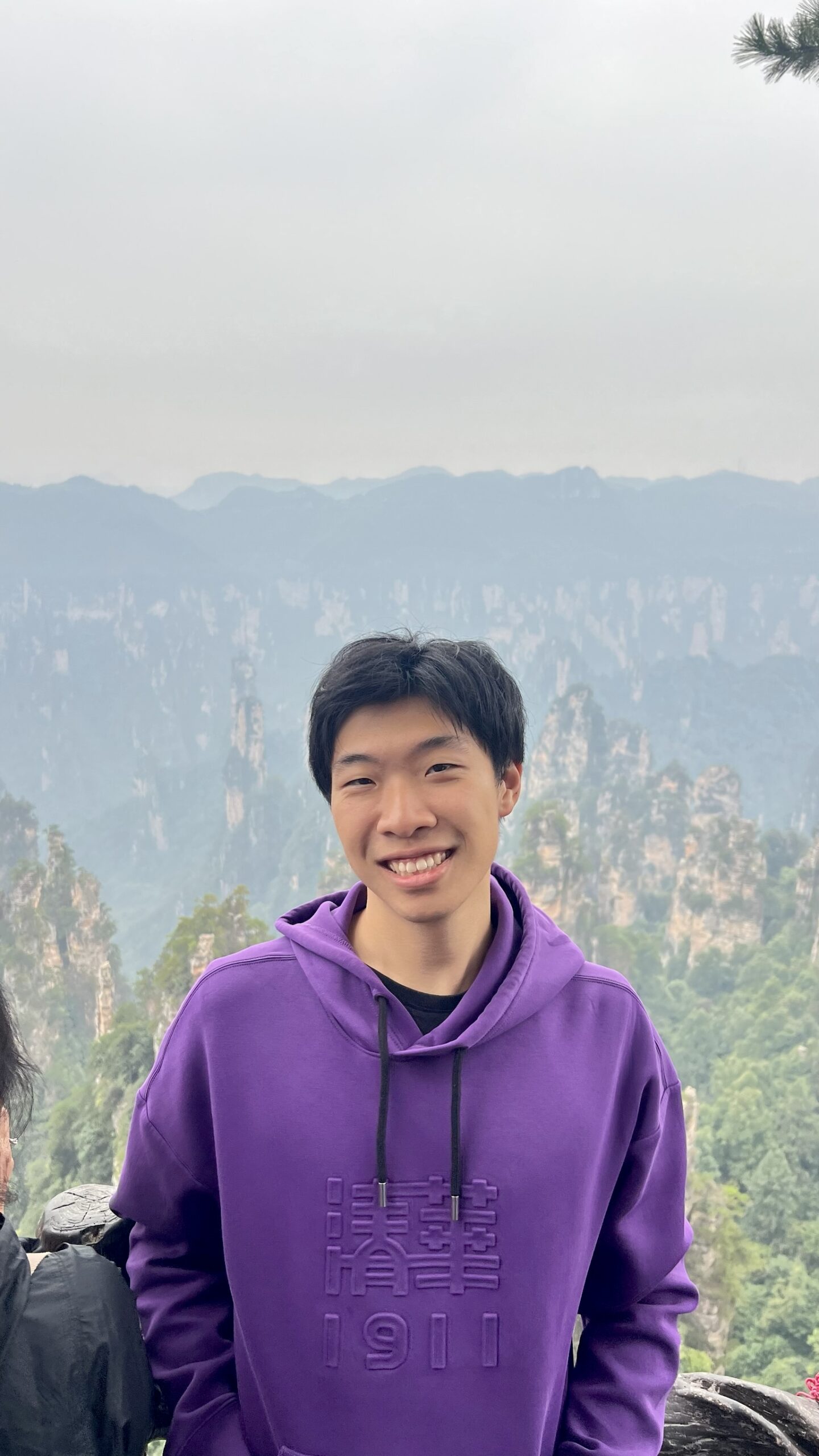
Shunshi Izumi grew up across cultures, but it was not until his exchange year at Tsinghua University that he truly found his voice. In Beijing, he was encouraged to be open, honest, and direct – an experience he believes revealed his calling to be a “middleman” that bridges cultures, people, and technologies.
Born in Hawaii to a Japanese father and Chinese mother, and raised in Canada and Japan, Shunshi has long navigated multiple cultures. Now a final-year mechanical engineering student at the University of Tokyo, he jokes that he is an “atypical” Japanese or “California roll,” with an identity that blends his Japanese upbringing with a Western outlook and influences from his Chinese roots.
Moving from Vancouver to Osaka at a young age, Shunshi recalls how his “free and expressive” nature sometimes clashed with a collective culture that prioritized harmony and conformity. “I felt that nobody understood my perspective, and so I created a ‘shield’ to protect myself,” he says. It was not until his time at Tsinghua that he felt the freedom to shed this protective “shield”. Initially choosing to study abroad in China as a way to reconnect with his family heritage, Shunshi instead discovered an inviting space where he was able to open up and be comfortable in his own skin. “China has aspects of both Western and Japanese cultures,” he explains. “There are many social structures (like Japan), but people are more free and expressive, kind of like Canadians.” The Bai Xian community also encouraged him to share his perspectives and thoughts without fear of judgment. “With my fellow scholars, I felt like I could just be myself,” he says. “My peers were supportive, genuinely interested, and even encouraged me to take the next step. It was empowering to be around people who actually listened and believed in me.” Being in that environment, Shunshi believes, reshaped his communication style – he now aims to be more direct and concise, to lead with questions rather than assumptions, and to stay open and curious.
His AFLSP experience also influenced his academic and career aspirations. Immersed in China’s technology-infused lifestyle for a year, Shunshi came to see the importance of integration over invention, i.e., connecting existing tools to real human needs. He is applying to master’s programs in industrial engineering in the hopes of learning how to align technological logic with societal practicality, guided by a culturally sensitive lens that accounts for the needs of different cultures and societies. Between machines and people, China and Japan, structure and spontaneity, Shunshi is learning to inhabit the middle – where technology serves real needs and open dialogue becomes the first design decision.
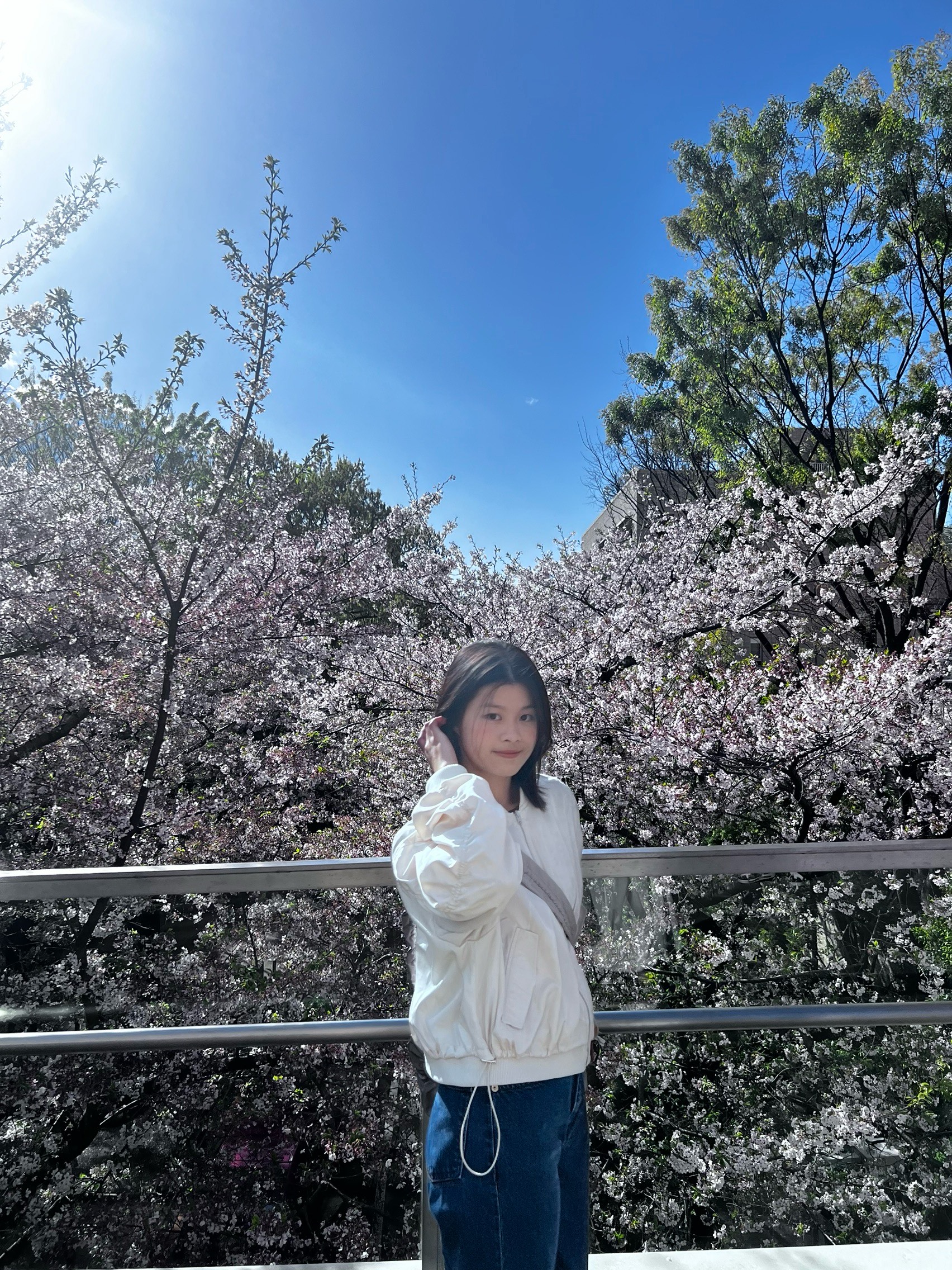
CHEN Yen-Chu
 CHEN Yen-Chu
2024 cohort
Waseda University
Chen Yen-Chu joined the AFLSP seeking to strengthen her cultural intelligence while furthering her studies in behavioral economics. What she gained during her time abroad, however, was something much deeper: a sense of belonging, connection, and a desire to help others and drive change.
Having grown up in the Philippines, Vietnam, and Taiwan, Yen-Chu learned to embrace and adapt to different cultures with curiosity and openness at an early age. When her university studies brought her back to Taiwan, where her family is originally from, she noticed how her multicultural upbringing set her apart from peers who had stayed in one place – she was not only more comfortable talking to strangers and initiating conversations, she also felt she was more attuned to cultural contrasts.
Her background prepared her well for her double-degree program, which sent her to Waseda University in Tokyo for three semesters to continue her study of behavioral economics. Though she credits her time in Japan for sharpening her cultural competence, it was the Bai Xian community and her AFLSP experience that truly impacted her. One of Yen-Chu’s highlights was Waseda’s Enrichment Program, which she especially appreciated as it covered topics beyond her area of study. One session, in particular, stood out to her as it compared how different countries approach their war histories. “It’s the kind of knowledge you don’t typically get in class,” she says. “Though we were exploring a potentially sensitive subject, the seminar was a safe space where peers from diverse backgrounds were able to share their thoughts openly and respectfully, and that was really rewarding.”
At the Summer Program, Yen-Chu instantly found a community that felt safe and relatable, with fellow scholars also having lived between cultures. “It was easy to talk to people there,” she recalls. “We connected to each other’s stories, and there was a strong sense of community – I felt like I was part of a big family.” Late-night chats and conversations with other students also built trust and broadened her perspective. A groupmate’s decision to become a vegetarian as a personal climate commitment, for example, inspired her to consider how small, consistent actions on a personal level can still drive meaningful change.
Looking ahead, Yen-Chu plans to pursue a master’s degree to continue studying how minds work through behavioral economics. She hopes to build on her understanding of human behavior and translate her insights into practical ways to help others and make a difference.
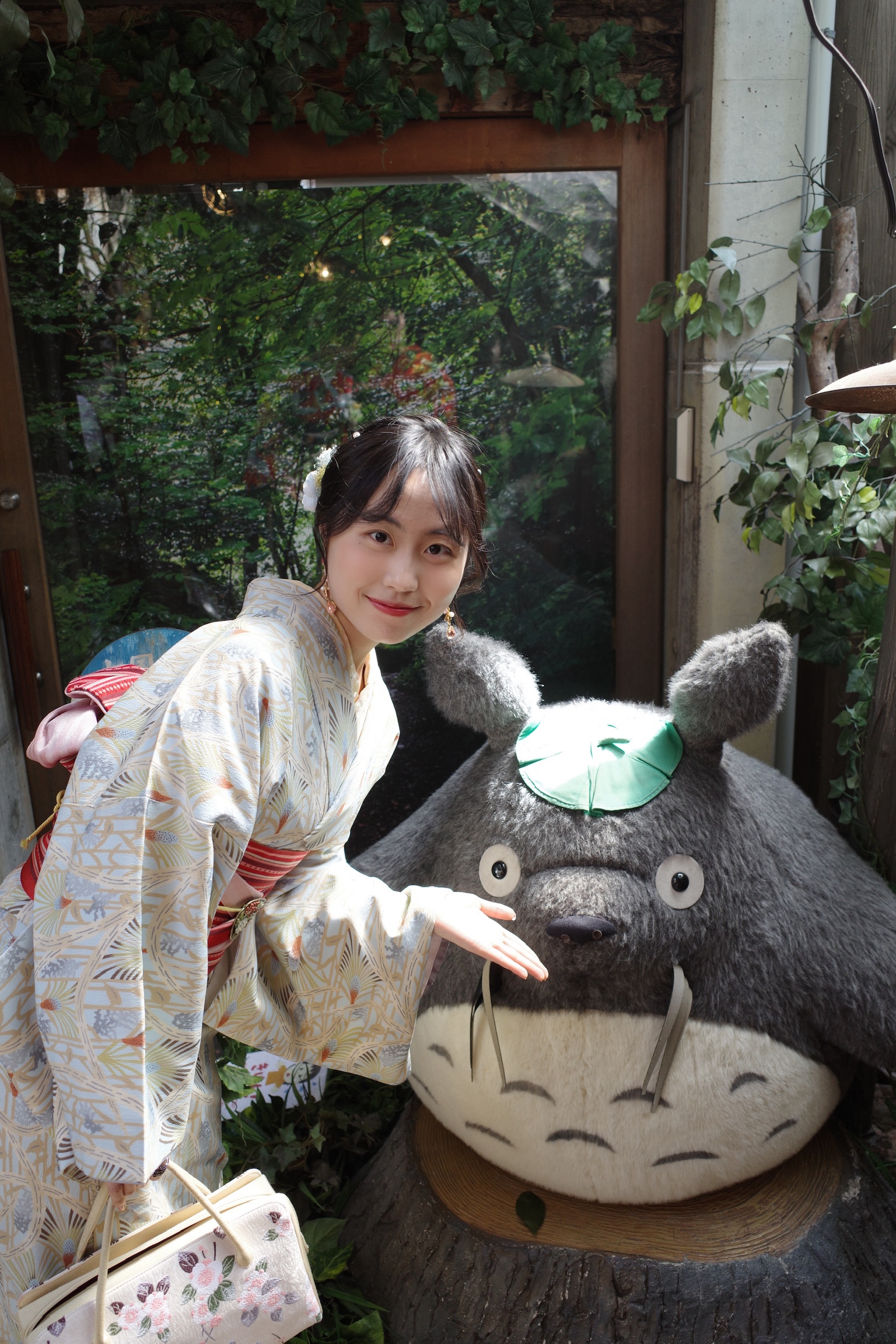
ZHAO Jin

ZHAO Jin
2024 cohort
Kyoto University
“To me, intercultural competence means engaging openly with people from different disciplines, cultures, and ways of thinking, especially when perspectives do not naturally align. As my studies have become more specialized, opportunities to exchange ideas across truly different fields have become rarer, since classes, lab meetings, and conferences often involve people with similar academic backgrounds. This is what makes BXAI especially valuable to me. Through the Summer Program, monthly seminars at Kyoto University, and other AFLSP activities, I have had the chance to interact with people from diverse disciplines and cultural contexts. These spaces encouraged dialogue beyond boundaries and reminded me that meaningful innovation often emerges from such cross-cutting exchanges.”
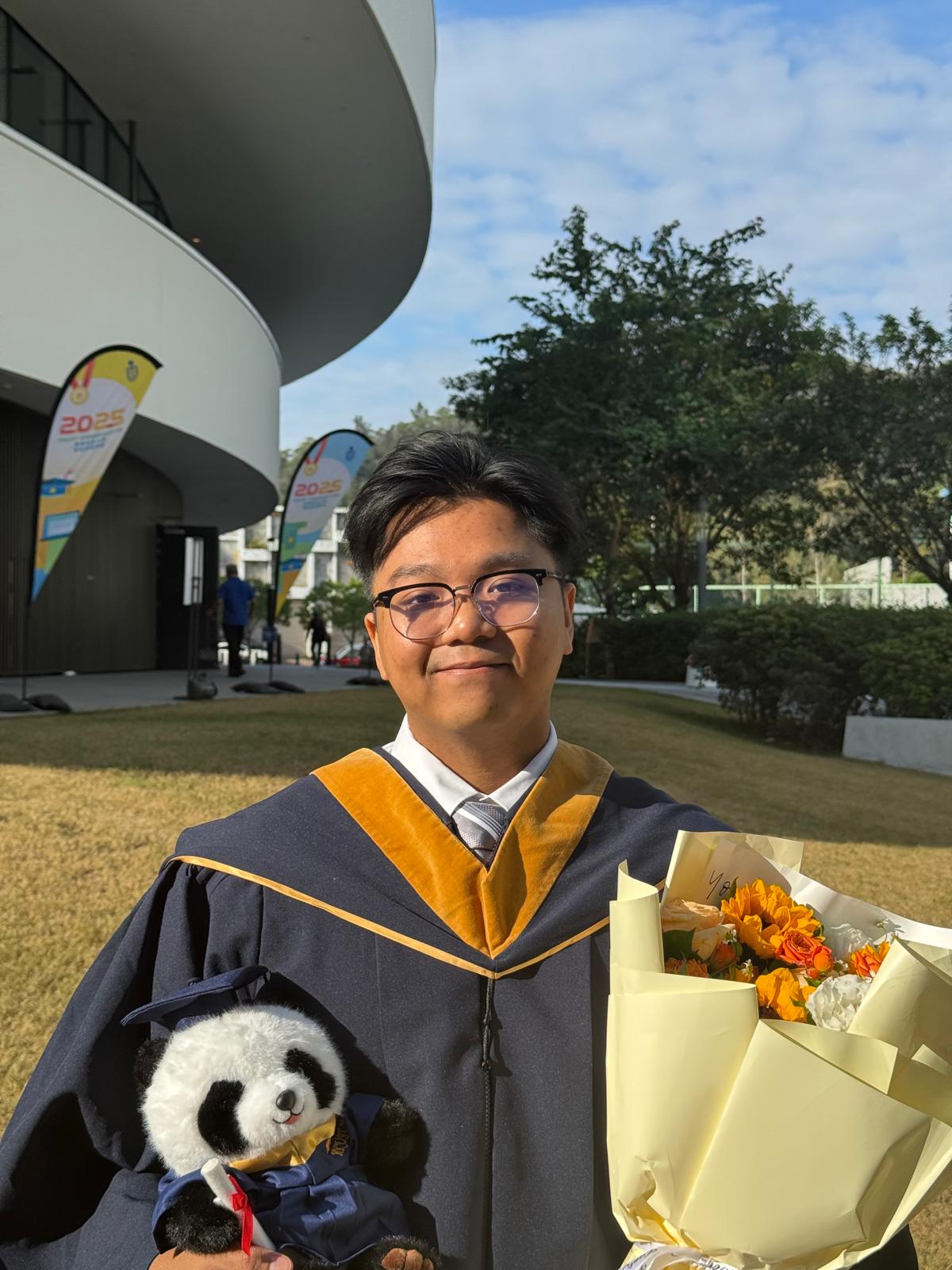
PRATAMA Muhammad Fakhri
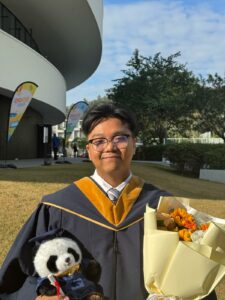 PRATAMA Muhammad Fakhri
2024 cohort
The Hong Kong University of Science and Technology
The true magic of the 2025 BXAI Summer Program was the incredible web of connections I wove in Tokyo. I walked away with more than just knowledge; I gained a global family. Through a wide range of activities from late-night conversations to collaborative seminars, I found kindred spirits halfway across the world, which turned a vast map into a network of familiar faces and lifelong friends. As a kid from a modest background from Indonesia, this global brotherhood feels like a dream come true. I am deeply grateful to BXAI and will always carry my AFLSP experiences in my heart.
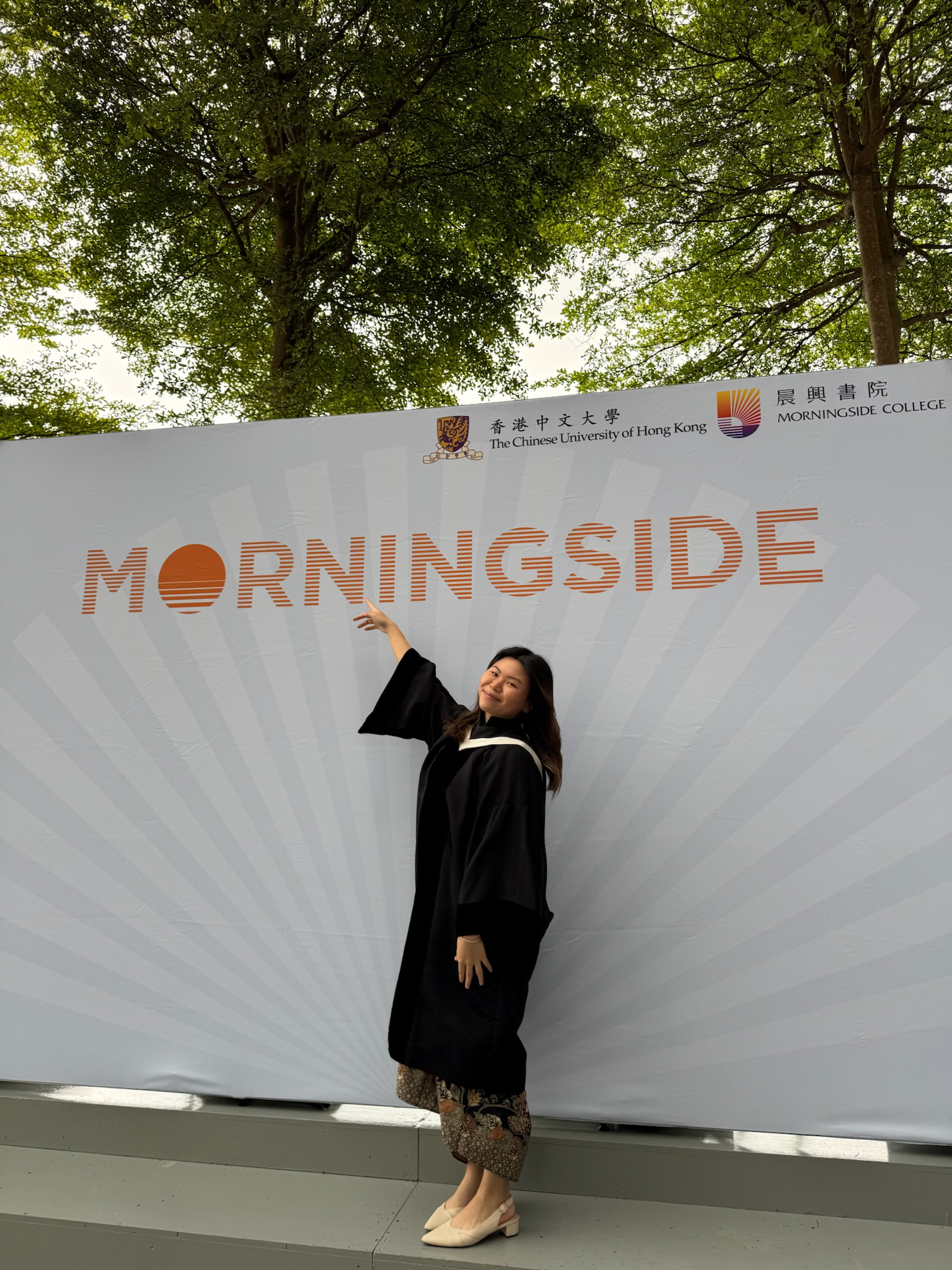
LIM Portia Pei Shi
LIM Portia Pei Shi
2024 cohort
The Chinese University of Hong Kong
The Summer Program helped me realize that the world is vast, with countless cultures and perspectives. Being placed into diverse groups and working with other scholars on projects and tasks gave me the opportunity to truly embrace diversity. The themes we explored, particularly those about aging nimbly, opened my eyes to the realities of an aging society that we all face today. What made this experience even more memorable was learning about it in Japan, the world’s first “super-aged” society. It sparked new thoughts and dilemmas about what can be done to provide support and explore solutions in the near future. I am deeply grateful for the chance to participate in such a unique summer program, where I have also made lifelong friends.
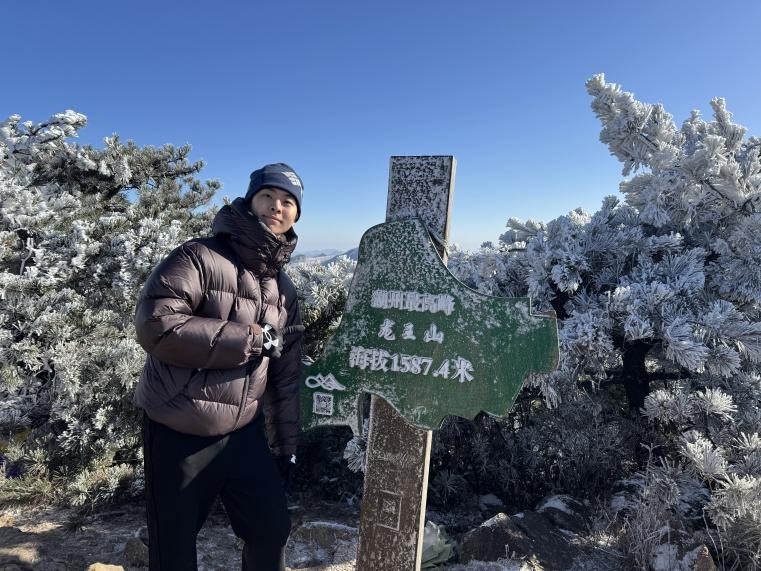
ITO Masuru
 ITO Masuru
2024 cohort
Shanghai Jiaotong University
The Summer Program was a refreshing and memorable experience. What stood out to me was the chance to explore topics I had never studied before, such as the Enneagram and population aging, which broadened my perspective in unexpected ways. Just as meaningful were the everyday moments of learning and talking with people from different cultural backgrounds, which made the experience feel engaging and real. Since the program ended, many of us have stayed in touch and built lasting connections. I am sincerely grateful to Bai Xian for creating this opportunity, and now have a deeper understanding of the importance of building bridges across cultures.
CHO Haeji
CHO Haeji
2024 cohort
Yenching Academy of Peking University
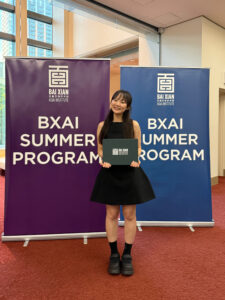
What made the BXAI Summer Program in Tokyo unforgettable were the small, shared moments. Over lunches, long dinners, and late-night conversations, friendships formed faster and deeper than I ever expected. In just two weeks, sitting around the same tables day after day, we moved beyond introductions and titles to real stories, laughter, and care for one another. Those meals became spaces of trust, where cultural differences felt natural and actually drew us together. By the end of the program, we no longer felt like a group of scholars—we felt like a family. I left Tokyo carrying not just memories, but friendships with people I know will remain part of my life across borders.
CHEN Jian
 CHEN Jian
2024 cohort
Hitotsubashi University ICS
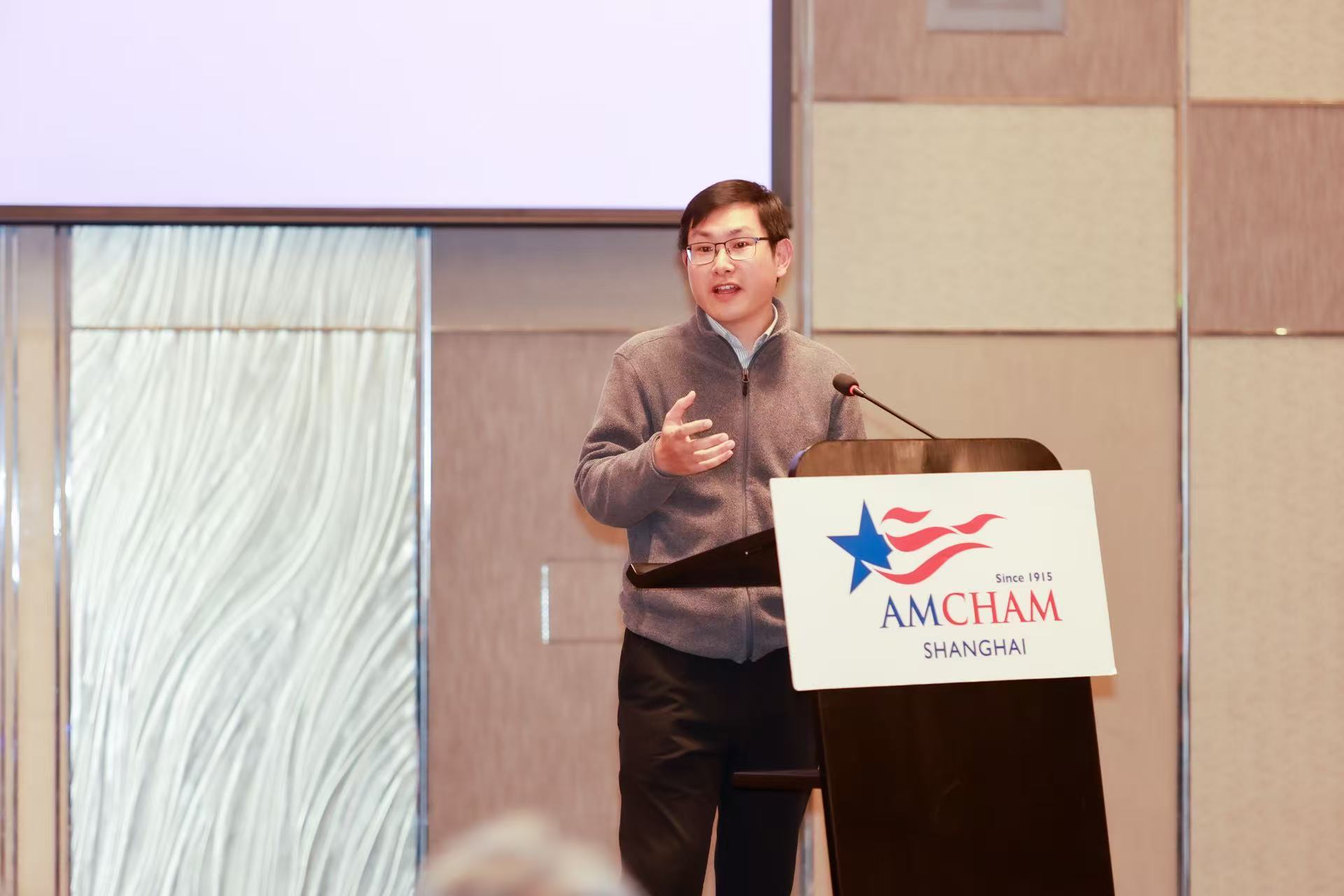
My highlight from the BXAI Summer Program was discovering how conflict can become a catalyst for growth, as long as it takes place within a safe and supportive environment. Throughout the program, whether I was participating in a workshop, cultural activity, or our final presentations, I also learned to navigate generational and cultural differences with curiosity rather than defensiveness. The closing banquet was another memorable moment, as it connected me with a Bai Xian Alumnus who offered me advice for my entrepreneurial project and opened up unexpected opportunities for collaboration. For me, the Summer Program did not simply end after two weeks; it continued through conversations, mentorship, and friendships. I see my AFLSP journey less as a program to complete, and more as a trajectory towards my future.